
Study Program
Agronomy
Doctoral Academic Studies

Study Program Director
- 021 485 33 33
Level of Study
Doctoral Academic Studies DAS
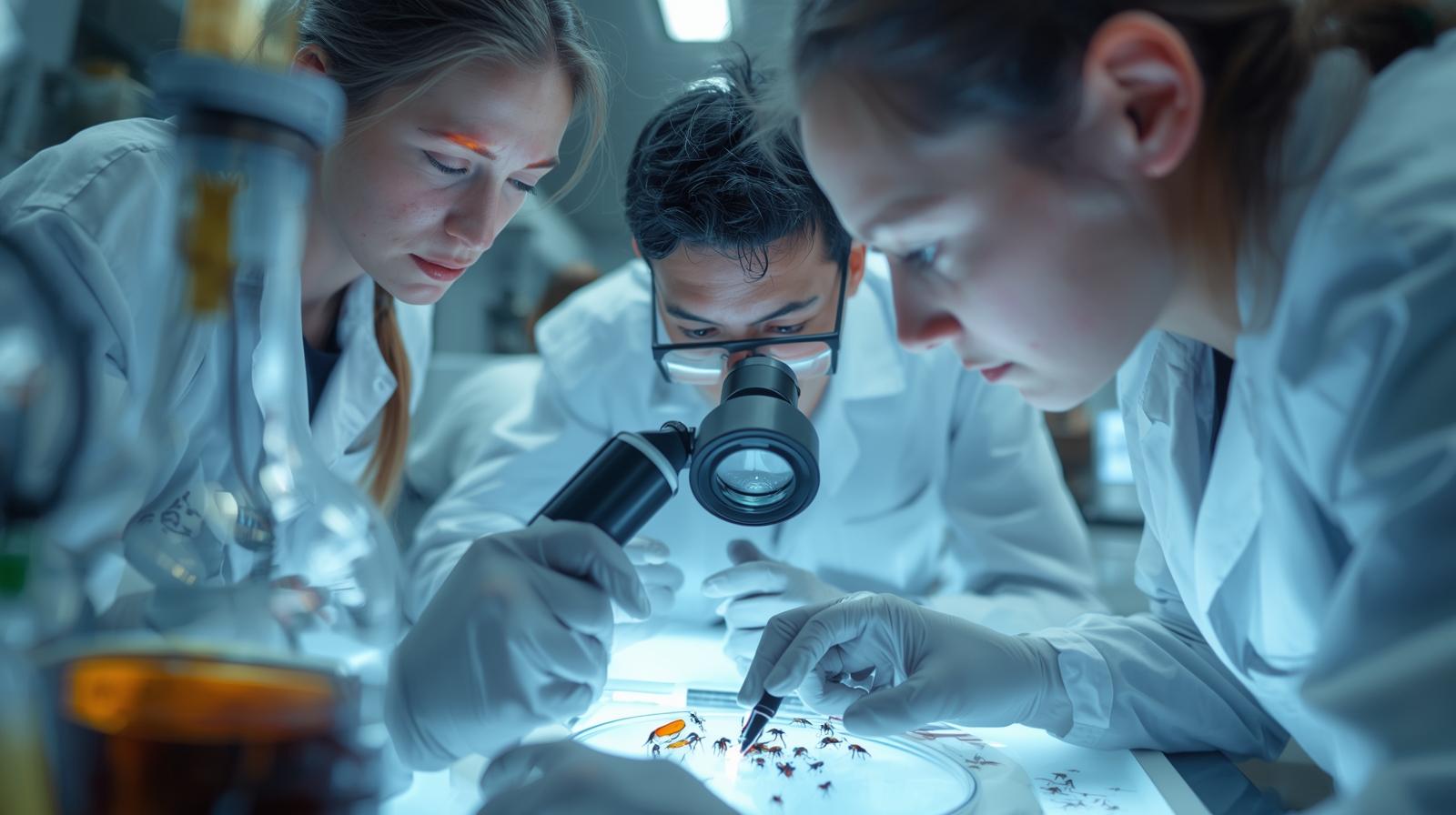
The purpose of the Agronomy doctoral study program is to enable students who have completed master’s academic studies to further improve their acquired knowledge and master the methods and procedures of scientific research work in their chosen field through elective courses and the preparation of a doctoral dissertation. In this way, doctoral students acquire competencies for independent, high-quality, and innovative scientific research work, in accordance with modern scientific achievements and the needs of society.
Through this education, students will be capable of critically evaluating the research work of others and independently conducting original and scientifically relevant research that will enable the development of new techniques, technologies, and procedures contributing to the general development of society. In addition, the purpose of this doctoral study program is to contribute to the development of our science, as doctoral students will generally be involved in scientific research work on Faculty projects. This study program is designed to ensure the acquisition of competencies that are socially justified, useful, and necessary.
The goal of the study program is the education and training of students for independent scientific research work in the field of biotechnical sciences. During their studies, students acquire deepened and systematic knowledge in their narrower scientific field of choice, as well as competencies necessary for planning, conducting, and evaluating scientific research.
Upon completion of doctoral academic studies, highly qualified experts are trained and capable of independent scientific research work, development and application of modern scientific achievements, innovative solutions, and new technologies in the field of agriculture and related biotechnical disciplines.
The study program is based on modern scientific and professional knowledge and aligned with current trends in the development of higher education. In its structure, content, and learning outcomes, it is comparable to related doctoral study programs at universities in the country and abroad that comply with the principles of the Bologna Process.
Adequate human, spatial, technical-technological, library, and other resources are provided for the implementation of the study program, in accordance with the needs of the doctoral study program and the planned number of enrolled students.
Upon completing the Agronomy doctoral studies, students acquire competencies to work at universities, scientific research institutes, development centers, state institutions, international organizations, and business entities dealing with agriculture and rural development. The acquired knowledge and skills enable them to actively contribute to the development of science, the improvement of agricultural production, the conservation of natural resources, and the assurance of sustainable development of the agricultural sector.
The Agronomy doctoral study program provides the highest level of education in the field of agricultural sciences and enables the acquisition of advanced scientific research and professional competencies.
Key reasons for enrollment are:
- Development of scientific research capabilities – students are trained for independent planning and implementation of scientific research and solving complex problems in agronomy.
- Specialization in a narrower field – enables the deepening of knowledge in crop science, vegetable science, fruit science, viticulture, horticulture, landscape architecture, phytomedicine, animal production, agricultural engineering, water management, utilization and protection, and other fields.
- Academic career – represents a necessary step for working at universities and scientific research institutions.
- Professional career advancement – doctoral studies open up opportunities for managerial and expert positions in the agricultural sector.
- Contribution to agricultural development – through the development of new technologies, sustainable production systems, and innovations that increase productivity and production quality.
- Involvement in international projects – doctoral studies provide an opportunity for cooperation with domestic and foreign scientific institutions and participation in international research.
- Development of critical and analytical thinking – skills in analysis, data interpretation, and making professional decisions based on scientific evidence are acquired.
- Contribution to food security and sustainable development – modern agronomy plays a key role in solving global challenges such as climate change, conservation of natural resources, and ensuring sufficient quantities of quality food.
Agronomy doctoral studies are intended for those who want to become top-tier researchers and experts, capable of creating new knowledge and contributing to the development of agriculture and society as a whole.
Where can you find employment after completing your studies?
The outcome of the study process of this doctoral study program in the scientific field of technical and technological sciences, subfield of biotechnical sciences, is the formation of experts with academic education who possess significantly expanded and deepened knowledge in the field of agricultural production, built upon the knowledge and skills acquired at the second-degree studies, diploma academic – master’s studies, and/or as a form of special preparation for research in a given narrower scientific field.
The acquired knowledge of a Doctor of Science provides the opportunity to apply the knowledge, understanding, and abilities acquired during doctoral studies to successfully solve complex problems in a new or unfamiliar environment within the scientific field of biotechnology.
Upon completion of studies, students at this level of education have the following abilities and competencies:
- the ability of thorough understanding of science and the profession in the technical-technological field;
- mastery of skills and modern research methods in the technical-technological field;
- the ability to independently research theoretical and practical problems aiming to obtain new or improved solutions and their application;
- the ability for teamwork and professional communication aiming to improve science and the profession;
- the ability to possess critical analysis and connect knowledge acquired at earlier levels of education in order to develop new technologies;
- the ability to transfer one’s own knowledge and ideas to colleagues, the wider academic community, and society as a whole;
- to make a personal contribution to expanding the boundaries of knowledge in the narrower scientific field of agricultural production through their own original research, and particularly through the research results obtained by preparing a doctoral dissertation; and
- the ability to promote technological and social progress in an academic and professional environment.
After completing the Agronomy doctoral studies, the acquired knowledge provides the opportunity to work in:
- Higher education – as a teacher, associate, or researcher at agricultural faculties and universities.
- Scientific research institutes – e.g., in institutes for field crops, vegetable crops, fruit growing, plant protection, soil, or animal husbandry.
- Agricultural companies – in research and development sectors, quality control, seed production, fertilizers, or plant protection products.
- Advisory services – as an expert advisor to agricultural producers.
- State institutions – ministries, directorates, and inspection services dealing with agriculture, rural development, and environmental protection.
- International organizations and projects dealing with agriculture, sustainable development, and food security.
- Laboratories for soil, food, seed, and plant material analysis.
- Their own enterprise or agricultural holding, where they can apply scientific knowledge in production and consulting.
- Depending on the narrower field of doctoral studies, employment opportunities can be even more specialized.
- Level of studyDoctoral
- Duration6 semesters
- ECTS credits180
- Courses2 mandatory and 6 elective
- LanguageSerbian
- Students35
First year
Winter semester
Summer semester
Second year
Winter semester
Summer semester
Third year
Winter semester
| Списак предмета | Предавања | СИР | ЕСПБ | Преузми |
|---|---|---|---|---|
| Израда и објављивање другог научног рада | ||||
| Истраживачки рад у вези дисертације и рада 3 | ||||
| Израда и објављивање трећег научног рада | ||||
| Истраживачки рад у вези дисертације |
Summer semester
| Списак предмета | Предавања | СИР | ЕСПБ | Преузми |
|---|---|---|---|---|
| Писање докторске дисертације | ||||
| Одбрана докторске дисертације |