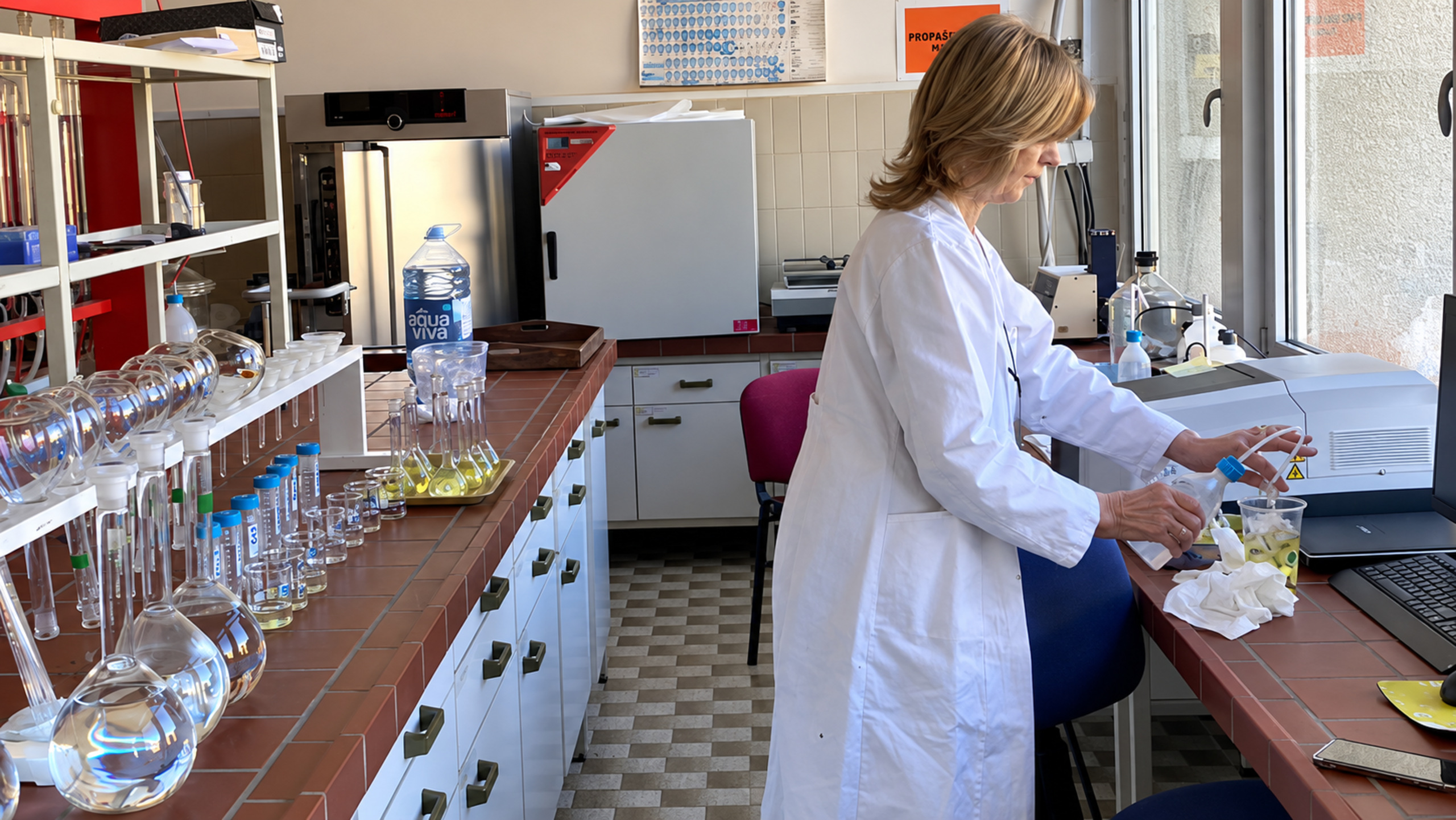
Laboratory for Soil, Fertilizer and Plant Material Testing
Laboratory Activity
The laboratory performs analyses of soil, fertilizers, plant material, as well as genetic testing and seed science in agriculture. Field sampling and pedological studies are conducted for rational soil management. Optimal plant nutrient requirements are determined to provide fertilization recommendations. Active soil fertility is assessed through the analysis of microorganism diversity and enzymatic activities. Official tests are carried out for quality control of domestic and imported inorganic, organic, and microbiological fertilizers. Analyses of fertilizers are performed for entry into the Register of Plant Nutrition Products of the Ministry of Agriculture (registration). Quality analysis and evaluation of irrigation water, as well as the preparation of studies and reports, are also conducted.
In addition to the service activities of testing soil, water, plant material, and genetic testing, the laboratory participates in staff education through the acquisition of practical knowledge related to equipment, devices, and testing methods, enables research for the preparation of final theses during study programs (diploma and master’s theses, PhD dissertations), and also participates in and implements scientific research projects and studies. The laboratory bases its activity on highly qualified staff, modern equipment, and compliance with national and international specifications and regulations for the aforementioned tests. The laboratory consists of five departments.
The Laboratory for Soil, Fertilizer and Plant Material Testing is a member of GLOSOLAN (Global Soil Laboratory Network), a global network of soil analysis laboratories established in 2017 by the Food and Agriculture Organization of the United Nations (FAO), while the Department of Agrochemistry of the Laboratory is also accredited according to the SRPS ISO/IEC 17025:2017 standard by the ATS (01-541).
Scope of Testing
Soil:
- Field research, profile morphology;
- Water-physical properties (mechanical composition, total porosity, bulk density, hydraulic conductivity coefficient);
- Analysis of the adsorption complex, CEC, salinity, and soil acidity;
- Basic chemical properties – (pH, CaCO3, total N, readily available P and K, humus, total organic C) and determination of mineral N to assess fertilization needs;
- Microbiological analysis (determination of total count of bacteria, algae, fungi, actinomycetes, and enzymatic activity);
- Determination of the presence and content of undesirable elements such as harmful heavy metals (e.g., Pb and Cd).
Fertilizers (inorganic, organic, microbiological):
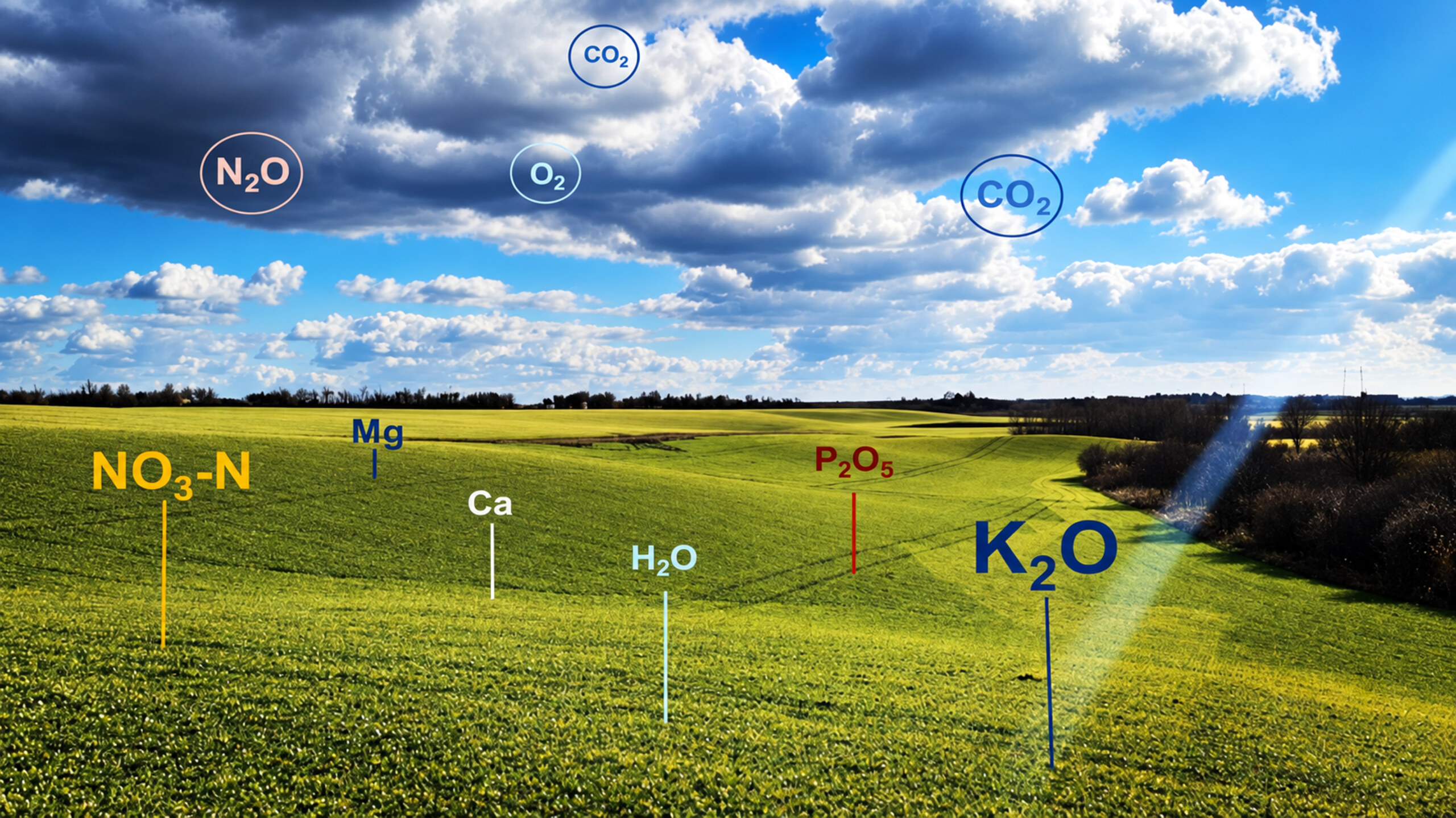
- Content of essential plant nutrients – macroelements N, P, K, Ca, Mg, S, microelements Fe, Zn, Mn, Cu;
- Content of organic C, pH, and moisture content;
- Microbiological analysis (determination of the total count of various microorganisms);
- Determination of the presence and content of undesirable elements such as harmful heavy metals (e.g., Pb and Cd).
Plant material:
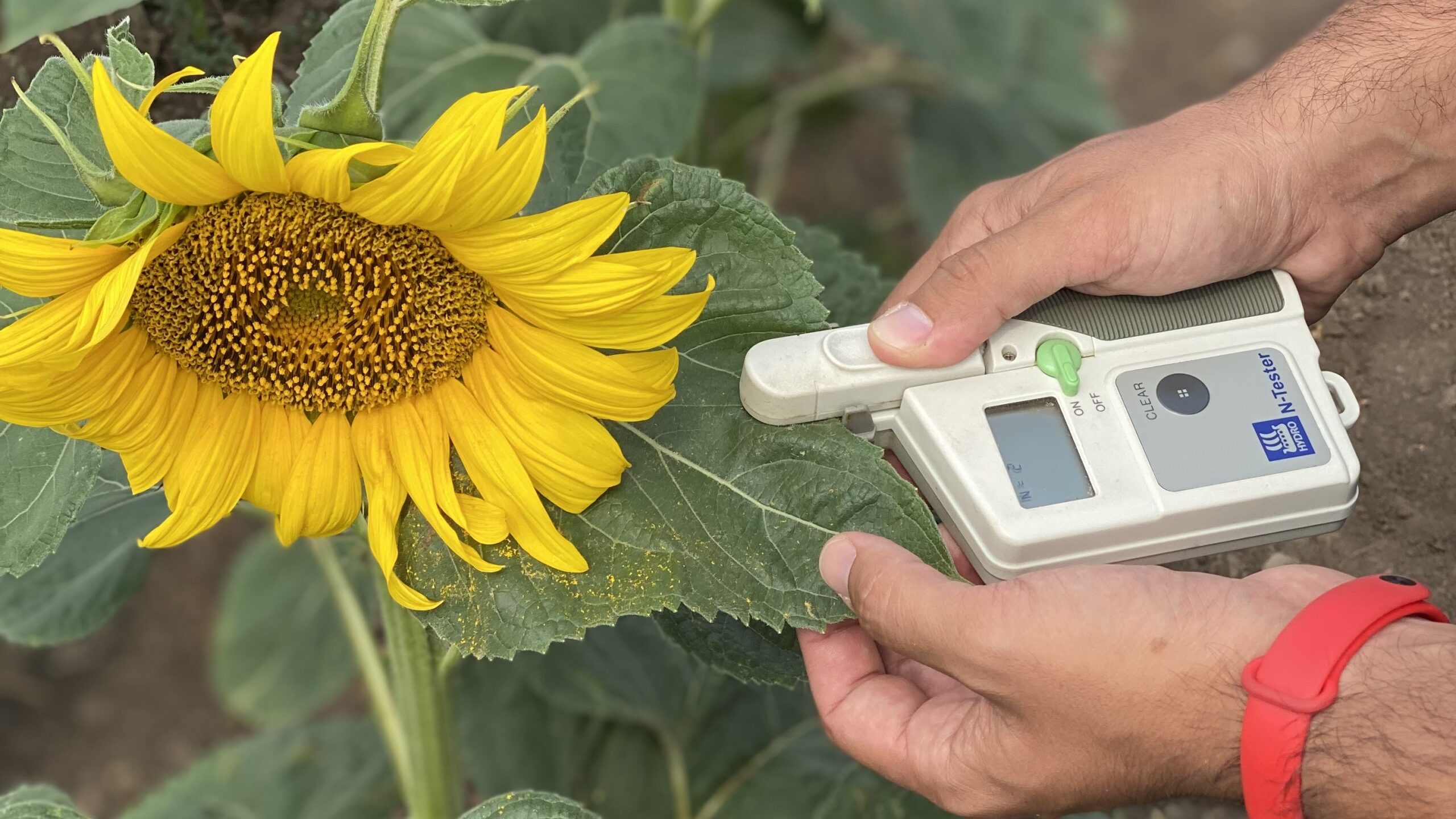
- Determination of plant supply with essential nutrients (N, nitrates, P, K, Ca, Fe, Cu, B, Mg, Mn, Zn, Na, Ni…);
- Determination of the presence and content of undesirable elements such as harmful heavy metals (e.g., Pb and Cd);
- Analyses of physiological parameters of the water regime;
- Determination of photosynthesis parameters;
- Determination of stress indicators and measurement of enzyme activity;
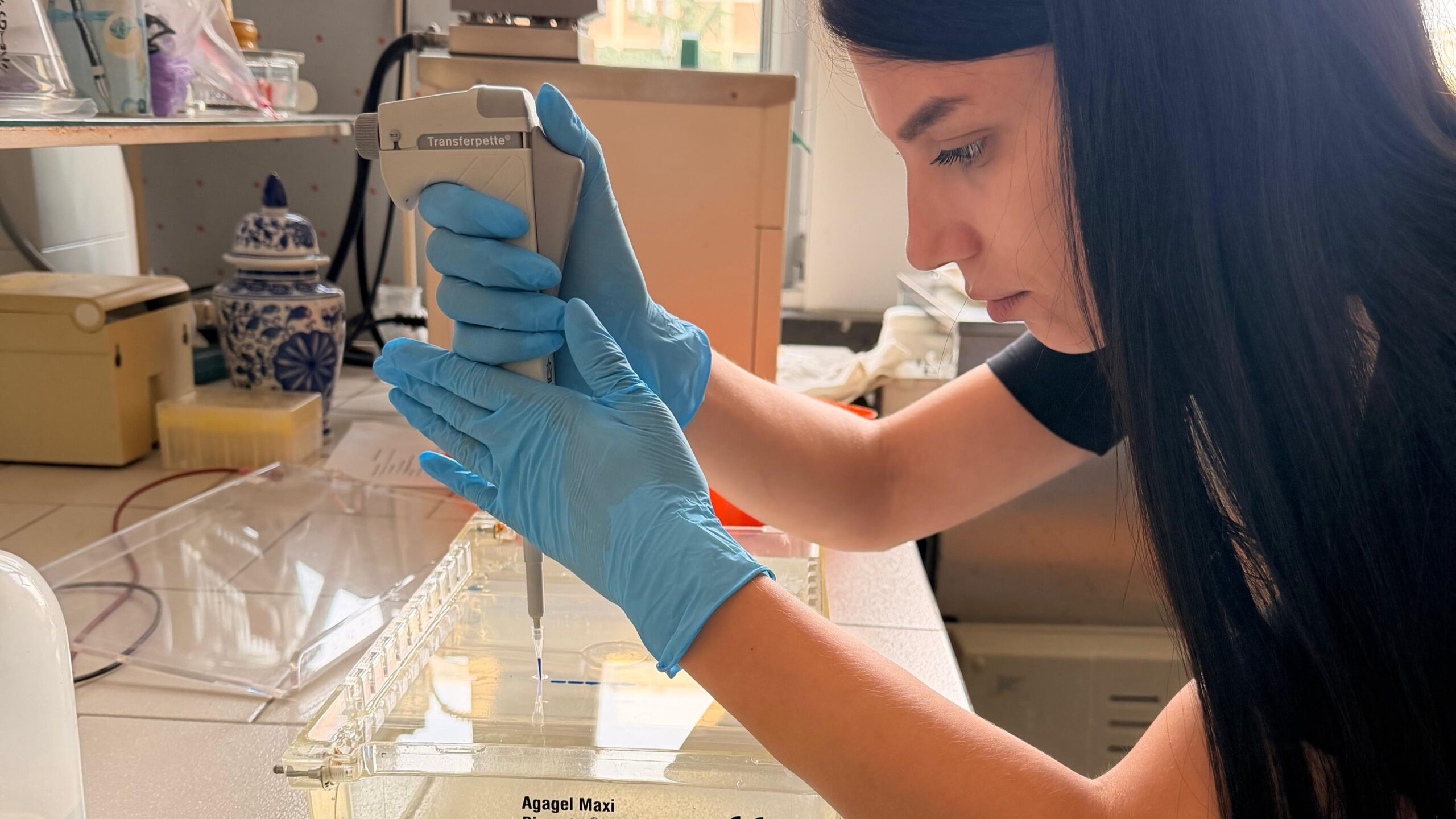
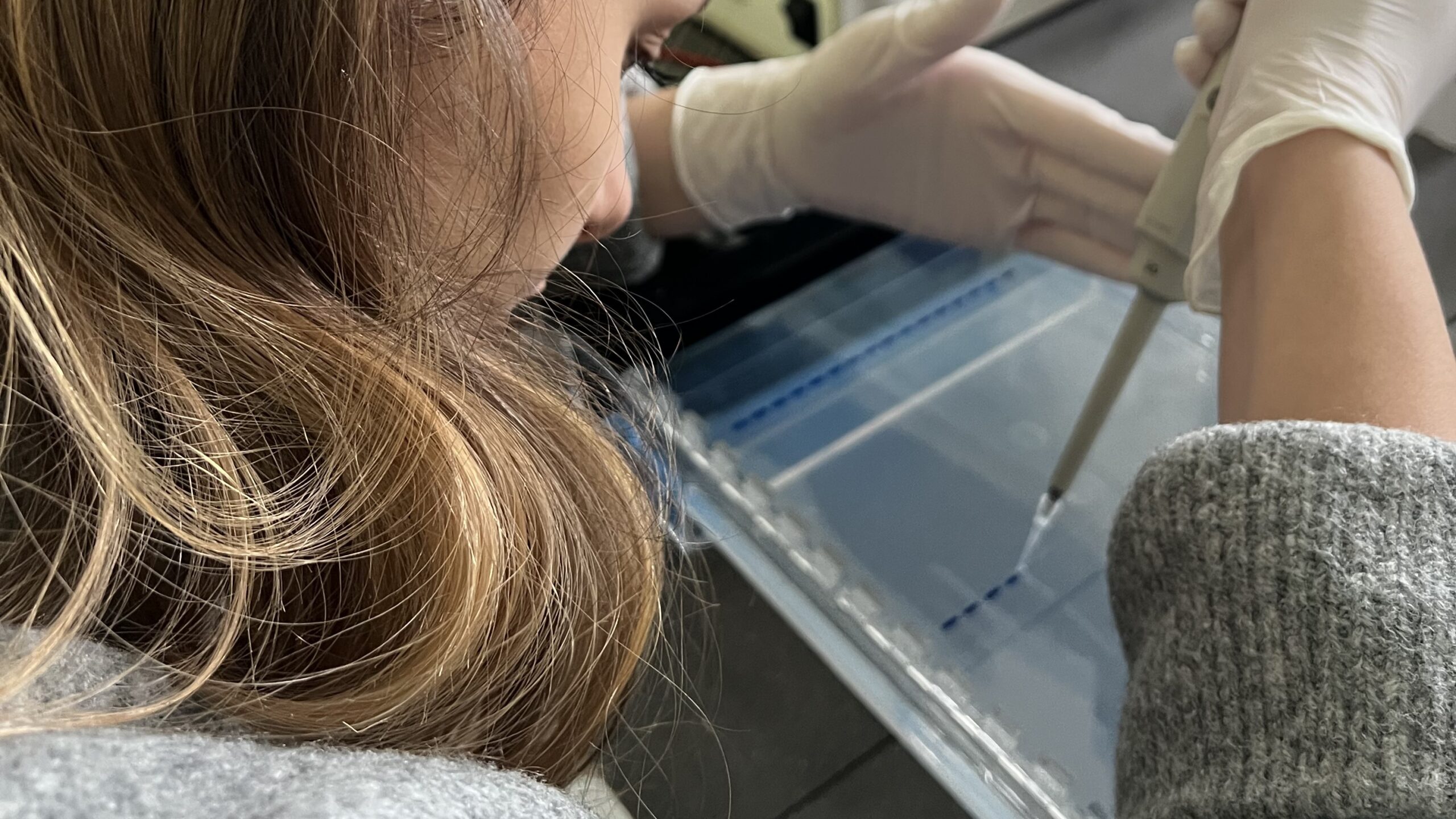
- Testing for the qualitative and quantitative presence of genetic modifications in soybean and corn grain.
In addition to the above, various experiments are conducted on the impact of: a) fertilizers (inorganic, organic, microbiological, biostimulants) and other substances on soil/plant quality, and b) specific factors on plant metabolism.
Laboratory Manager

Dr. Maja Manojlović
Head of the Laboratory for Testing Soil, Fertilizers and Plant Material
Laboratory Working Hours
Weekdays from 07:00 to 15:00
Sample reception every workday from 08:00 to 14:00
Gallery