
Study program
Phytomedicine
Undergraduate academic studies

- 021 485 34 45
Study level
Undergraduate academic studies UAS
PHYTOMEDICINE
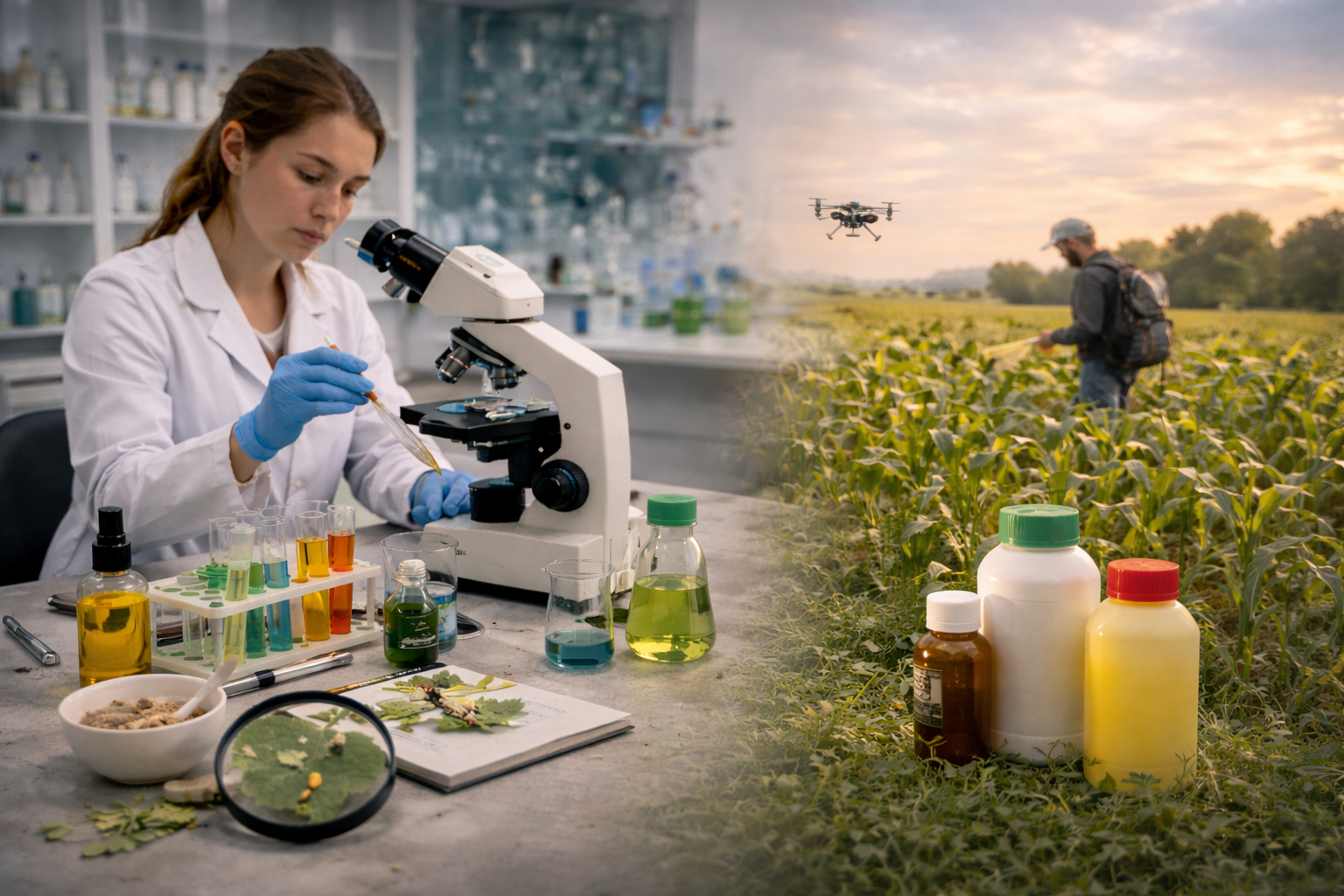
The purpose of the undergraduate academic studies in Phytomedicine is to educate highly qualified professionals who possess theoretical and practical knowledge for the protection of plants, agricultural products, communal hygiene, as well as human and animal health. The study program includes two modules: Plant Protection and Protection of Agricultural Products, Human and Animal Health. This knowledge should enable the understanding and practical application of professional disciplines in the stated fields.
The study program aims to train students in the application of modern and sustainable plant protection measures, both during production and post-harvest, while simultaneously preserving the environment. The ultimate outcome of the program is the formation of experts who contribute to sustainable agriculture, economical production, and the preservation of human, animal, and environmental health.
Why enroll in the Phytomedicine study program?
For all forms of agricultural production, plant protection is of fundamental importance, given that its neglect can lead to major economic losses and negative consequences for society as a whole. Students of the Phytomedicine study program acquire the necessary theoretical and practical knowledge that enables them, upon graduation, to engage in activities related to the production of safe and healthy food and environmental protection. During their studies, they are introduced to modern concepts and methods of plant protection and are trained for their practical application. Special emphasis is placed on integrated pest management, which involves the application of various methods for suppressing disease vectors, pests, and weeds, with the aim of keeping their population below the economic damage threshold, ensuring sustainable production, and safe agricultural products.
Where can you find employment after graduation?
Upon graduation, graduated engineers can work in the following fields:
- Production and protection of vegetables, cereals, fruits, grapevines, ornamental and medicinal plants, stored products, mushrooms, etc., from diseases, pests, and weeds;
- Working on the introduction of environmentally safer technology, with the aim of producing wholesome and safe food for human and animal consumption;
- Management of one’s own agricultural holding;
- Advisory services;
- Scientific research work at faculties, institutes, and other scientific and professional organizations;
- Inspection jobs;
- Research and development programs in the pesticide manufacturing industry;
- Management and organization of the trade of pesticides, seeds, and planting material (agricultural pharmacies, etc.);
- Representation of pesticide and seed manufacturers and distributors;
- Jobs in communal hygiene (disinfection, disinfestation, and deratization);
- Journalistic and editorial jobs in specialized magazines and broadcasts.
Graduated engineers of the Phytomedicine study program meet all the necessary prerequisites for continuing master’s academic studies, and subsequently further specialization in doctoral academic studies in the country and abroad.
Study program characteristics
- Study levelUndergraduate
- Duration8 semesters
- ECTS credits240
- Courses47
- LanguageSerbian
- Students125