
Gender Equality Plan
At its session held on October 28, 2021, the Council of the Faculty of Agriculture adopted the Gender Equality Plan for the period 2021-2025. This act represents a framework, a strategic document of the Faculty of Agriculture whose goal is to provide conditions and tools for the full affirmation of the principle of gender equality and the prohibition of all forms of discrimination, as well as the creation of an institutional culture of gender equality and nurturing diversity, the integration of a gender perspective into study programs, and the transfer of knowledge about gender equality into society. As a result, the quality of life and work at the Faculty is improved.
The priority areas defined by the Plan are the result of an analysis of the state of gender equality at the Faculty based on the processing of statistical data.
Supporting documentation.
Activities
The Faculty of Agriculture in Novi Sad actively contributes to the improvement of gender equality both in society and at the institutional level through the implementation of the Gender Equality Plan 2021–2025 and through the activities of the Gender Equality Committee. In addition, activities aimed at improving gender equality have been intensified through the participation of the Faculty of Agriculture in Novi Sad in two international projects: Co-Change and AgriGen. Alongside its strategic commitment to the full affirmation of the principle of gender equality and the prohibition of discrimination, the Faculty is also practically introducing these principles into studies through the course “Gender Studies in Agriculture”. The Faculty of Agriculture also organizes a series of other activities aimed at promoting gender equality.
Overview of activities:
- GRRIP Project Closing Conference in Las Palmas;
- Co-Change Project Closing Conference in Budapest
- Workshop: Gender Equality as an Essential Segment of Management, Research, and Innovation, December 15, 2022, Faculty of Agriculture, Novi Sad
- Social Lab Workshop in Prague, within the Serbia for Excell project
- Education Fair and Researchers’ Night
- ORRI Forum, Vienna, Austria: Innovative ORRI Practices in Action, Experimental Settings
- Exhibition of Student Papers at the Faculty of Agriculture in Novi Sad
- PFNS Experience Presented at the Institute for Economic Diplomacy during Gender Equality Training – Presentation
- DAFM Summer School:
- AgriGen Project:
- Workshop “Gender Equality as an Essential Segment of Responsible Management, Research, and Innovation”, Faculty of Agriculture in Novi Sad, December 15, 2022
- Workshop “Gender Equality as an Essential Segment of Responsible Management, Research, and Innovation”, Faculty of Agriculture in Novi Sad, December 15, 2022
- DAFM Summer School “Strengthening Agriculture in the Danube Region: from Nature-Based Solutions to Gender Equality”, Faculty of Agriculture in Novi Sad, June 19-23, 2023
- DAFM Summer School “Strengthening Agriculture in the Danube Region: from Nature-Based Solutions to Gender Equality”, Faculty of Agriculture in Novi Sad, June 19-23, 2023
- Webinar held on October 16, 2024, organized by the University of Porto within the EUgloh project
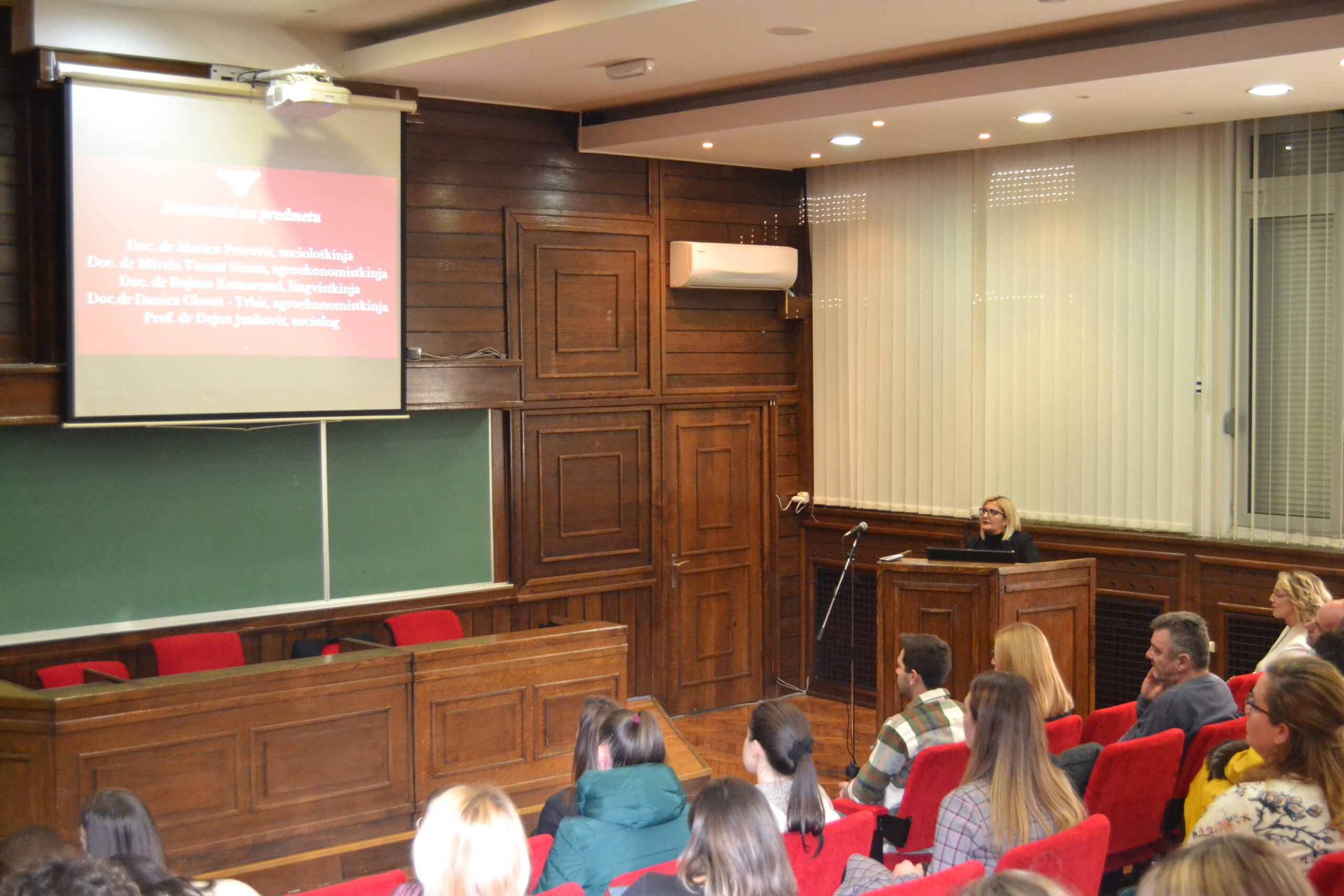
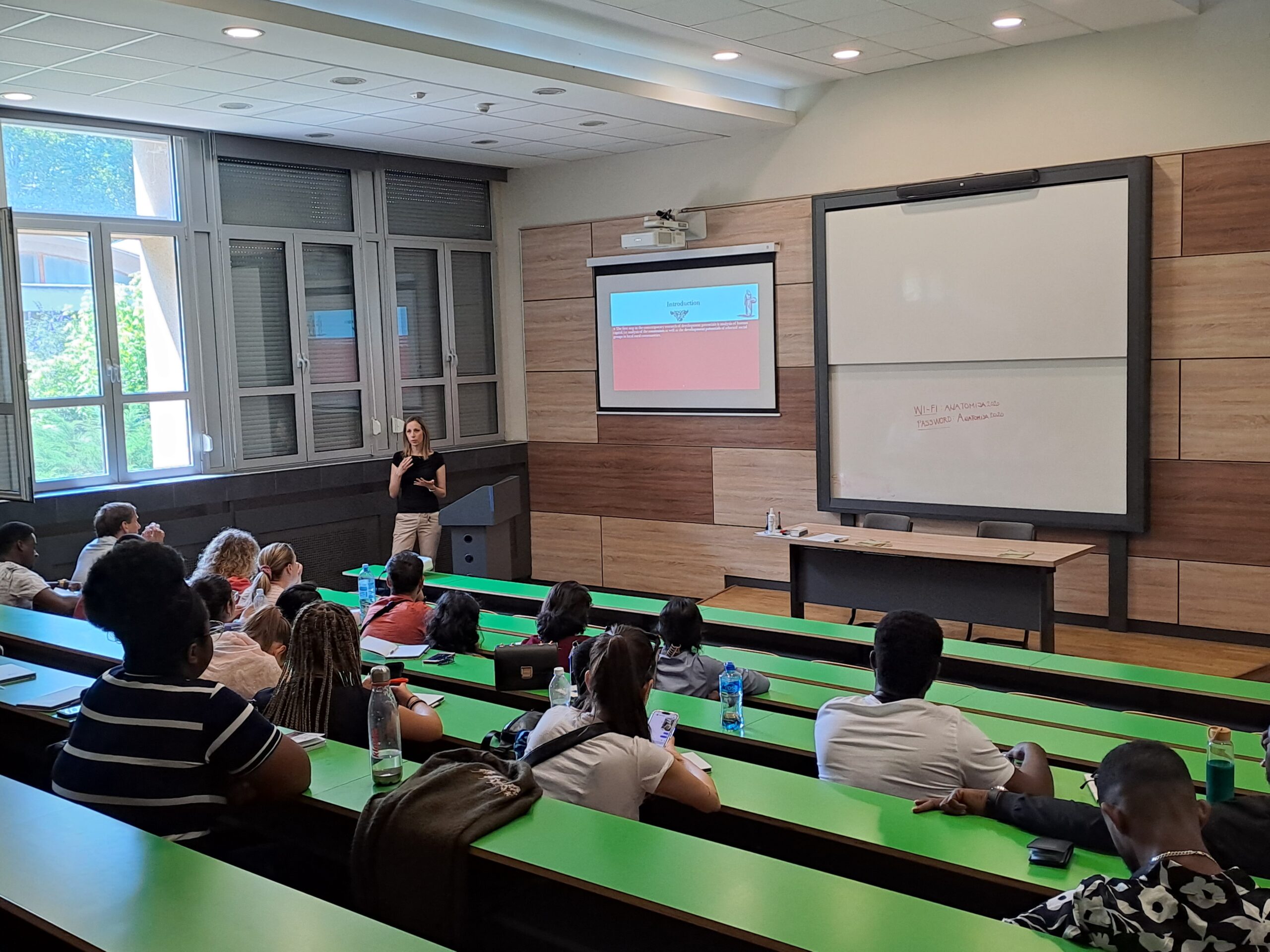
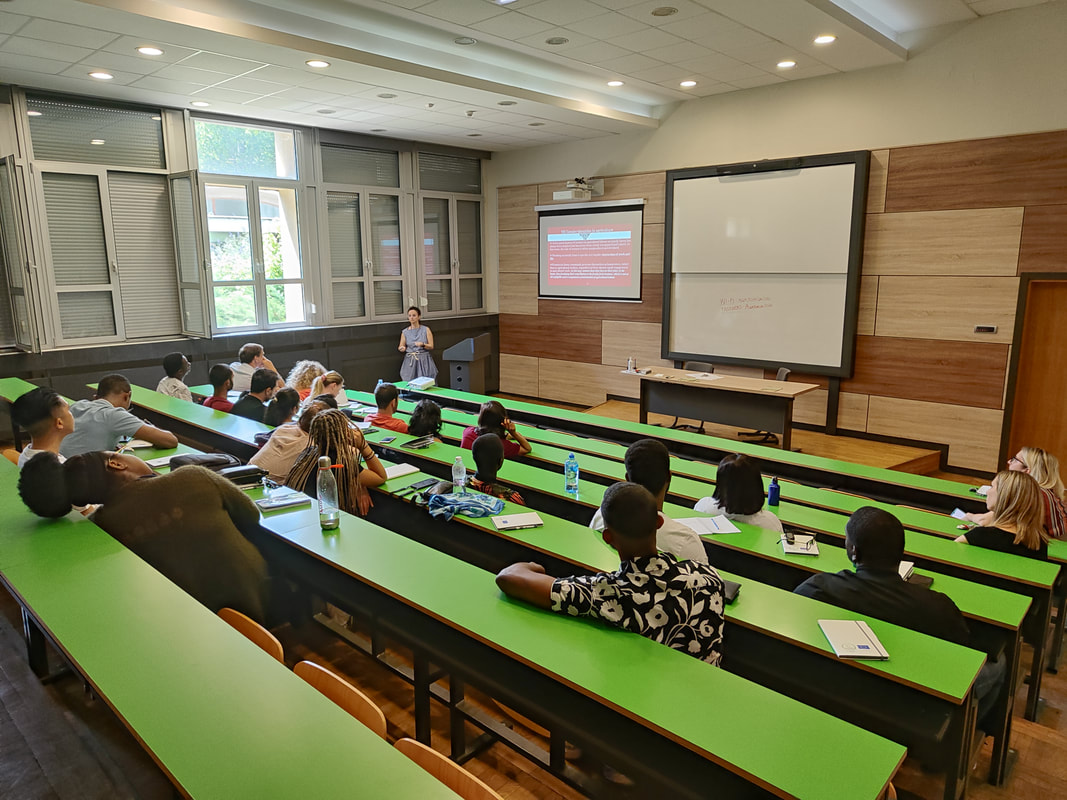
- Course “Gender Studies in Rural Areas and Agriculture”:
Contact
Dragana Krajinović, Bachelor of Laws
Person in charge of gender equality:
Phone: 021/4853-212
E-mail: dragana.krajinovic@polj.uns.ac.rs
Gender Equality Committee of the Faculty of Agriculture in Novi Sad;
What is gender equality?
Gender equality implies equal rights, responsibilities, and opportunities, equal participation and balanced representation of women and men in all areas of social life, equal opportunities for the exercise of rights and freedoms, the use of personal knowledge and abilities for personal and social development, equal opportunities and rights in access to goods and services, as well as achieving equal benefits from the results of work, with respect for biological, social, and culturally formed differences between men and women and the different interests, needs, and priorities of women and men when making public and other policies and deciding on rights, obligations, and statutory provisions, as well as constitutional provisions.