
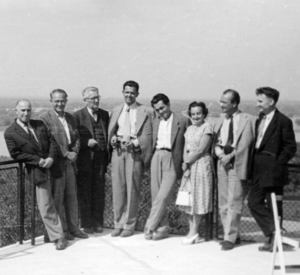
At the session held on June 26, 1954, the Republican Council of the National Assembly of the People’s Republic of Serbia passed the decree on the enactment of the Law on the Establishment of the Faculty of Philosophy and the Faculty of Agriculture in Novi Sad, and the law was promulgated by the President of the Executive Council of the People’s Republic of Serbia, Jovan Veselinov, on June 30, 1954. It all began with the realization of the long-standing need for a higher education institution in Vojvodina, whose task, in addition to educating agronomists, was to develop scientific research and agricultural production in the province and the country as a whole. In that distant year of 1954, social and economic conditions were created that enabled the enactment of the Law on the Establishment of the Faculty of Philosophy and the Faculty of Agriculture in Novi Sad within the University of Belgrade, with the enrollment of students in the first year of studies in the academic year 1954/55.
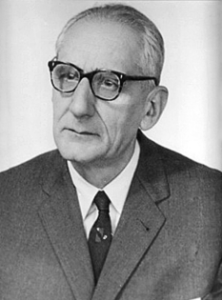
The establishment of the Faculty of Agriculture was important not only for the development of agriculture but also for the overall social life of Novi Sad, Vojvodina, Serbia, and the entire SFRY. Until the ceremonial opening of the Faculty of Agriculture on 20 новембра 1954. of the year, all the necessary preparations were underway for the complex work of this higher education institution. Thus, on July 9, 1954, the Executive Council of the People’s Republic of Serbia passed the Decision on the formation of the Registrar’s Commission with the task of determining all the organizational and technical conditions necessary for the smooth start of the Faculty’s work and announcing competitions for the election of teachers and faculty associates. The following were appointed as members of the Registrar’s Commission: Dr. Stevan Nikolić, full professor at the Faculty of Agriculture in Zemun; Dipl. Eng. Lazar Stojković, research associate at the Institute for Agricultural Research in Novi Sad; Dr. Dobrosav Todorović, professor at the Faculty of Agriculture in Zemun; Dr. Mihajlo Vučković, university professor; Dipl. Eng. Brana Milosavljević, university professor.
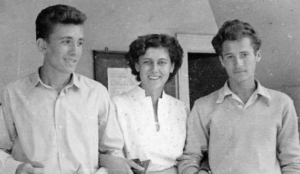
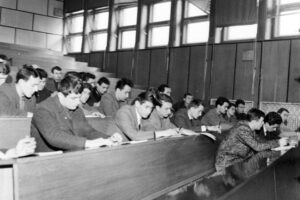
In the history of the Faculty of Agriculture in Novi Sad, the beginning of classes on 22 is written in golden letters. новембра 1954. of the year, when the students of the first generation of the Faculty of Agriculture occupied all the places in the large hall of the Workers’ Home in Novi Sad, then at the address Bulevar Mihajla Pupina 24, and two days later, exercises began in the practice rooms of the Higher Pedagogical School in Nikolaevska porta. In the first days of the faculty’s work, there was only a General Department, 205 students enrolled in the first year, and classes began with only 3 permanent teachers, 5 assistants, and 3 laboratory assistants in the hall of the Workers’ Home in Novi Sad.
At the session of the Registrar’s Commission held on July 14, 1954, in the Council for Education and Culture of the People’s Republic of Serbia in Belgrade, the constitution was carried out, and a temporary dean was elected. The election of the first teachers and the constitution of the permanent faculty administration was carried out at the session of the Registrar’s Commission on September 27, 1954, and then, by the decision of the National Assembly of the Republic of Serbia, members of the Faculty Council were appointed.
We emphasize that at the beginning of its work, the Faculty encountered full understanding and assistance from both society and other faculties and scientific institutions in the country.
Great assistance in providing teaching staff and support in the development aspirations of the Faculty, in the first days of its existence, was provided by individual faculties of the University of Belgrade, especially the Faculty of Agriculture, Pharmacy, Veterinary Medicine, and Forestry, as well as the Faculties of Agriculture from Sarajevo and Zagreb. The then existing independent Institute for Agricultural Research and the Institute for Animal Husbandry in Novi Sad, and the Institute for Viticulture and Fruit Growing in Sremski Karlovci, made available the experimental base, experimental fields, laboratories, and livestock facilities for conducting scientific research work by Faculty associates and student practice.
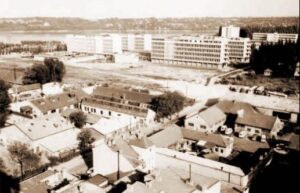
At the beginning of its work, the headquarters of the Faculty was located in several adapted buildings in Petrovaradin and on the Petrovaradin Fortress, the building of the former artillery barracks, gunpowder plant, and several bunkers. The increased need for directed personnel required the planning and construction of a new building intended for the education of agricultural engineers, which would enable the annual enrollment of 600 students and scientific research work. Works on the first phase of the construction of today’s Faculty building, i.e., pavilions and surrounding buildings, began in mid-August 1956. The “Ratarski” pavilion was completed in December 1957, the “Stočarski” pavilion was put into use in July 1959, and the premises of the Faculty dean’s office with lecture halls and an amphitheater in July 1960. The “Hemijski” pavilion was moved into in 1962, and the “Biloški” pavilion (today’s Faculty of Technology) was moved into in 1964.
The faculty was founded at a time of underdeveloped agriculture, almost of a rural type. It was the first to give four much-needed generations of agronomists with general professional qualifications, and then, with the development of intensive production and changes in the production structure, it began educating agronomists with focused professional education, who today contribute with their knowledge to the development of quality food production, production management on modern technical-technological, economic, and ecological principles.
At the session held on June 26, 1954, the Republican Council of the National Assembly of the People’s Republic of Serbia passed the decree on the enactment of the Law on the Establishment of the Faculty of Philosophy and the Faculty of Agriculture in Novi Sad, and the law was promulgated by the President of the Executive Council of the People’s Republic of Serbia, Jovan Veselinov, on June 30, 1954. It all began with the realization of the long-standing need for a higher education institution in Vojvodina, whose task, in addition to educating agronomists, was to develop scientific research and agricultural production in the province and the country as a whole. In that distant year of 1954, social and economic conditions were created that enabled the enactment of the Law on the Establishment of the Faculty of Philosophy and the Faculty of Agriculture in Novi Sad within the University of Belgrade, with the enrollment of students in the first year of studies in the academic year 1954/55.
The establishment of the Faculty of Agriculture was important not only for the development of agriculture but also for the overall social life of Novi Sad, Vojvodina, Serbia, and the entire SFRY. Until the ceremonial opening of the Faculty of Agriculture on 20 новембра 1954. of the year, all the necessary preparations were underway for the complex work of this higher education institution. Thus, on July 9, 1954, the Executive Council of the People’s Republic of Serbia passed the Decision on the formation of the Registrar’s Commission with the task of determining all the organizational and technical conditions necessary for the smooth start of the Faculty’s work and announcing competitions for the election of teachers and faculty associates. The following were appointed as members of the Registrar’s Commission: Dr. Stevan Nikolić, full professor at the Faculty of Agriculture in Zemun; Dipl. Eng. Lazar Stojković, research associate at the Institute for Agricultural Research in Novi Sad; Dr. Dobrosav Todorović, professor at the Faculty of Agriculture in Zemun; Dr. Mihajlo Vučković, university professor; Dipl. Eng. Brana Milosavljević, university professor.
In the history of the Faculty of Agriculture in Novi Sad, the beginning of classes on 22 is written in golden letters. новембра 1954. of the year, when the students of the first generation of the Faculty of Agriculture occupied all the places in the large hall of the Workers’ Home in Novi Sad, then at the address Bulevar Mihajla Pupina 24, and two days later, exercises began in the practice rooms of the Higher Pedagogical School in Nikolaevska porta. In the first days of the faculty’s work, there was only a General Department, 205 students enrolled in the first year, and classes began with only 3 permanent teachers, 5 assistants, and 3 laboratory assistants in the hall of the Workers’ Home in Novi Sad.
At the session of the Registrar’s Commission held on July 14, 1954, in the Council for Education and Culture of the People’s Republic of Serbia in Belgrade, the constitution was carried out, and a temporary dean was elected. The election of the first teachers and the constitution of the permanent faculty administration was carried out at the session of the Registrar’s Commission on September 27, 1954, and then, by the decision of the National Assembly of the Republic of Serbia, members of the Faculty Council were appointed.
We emphasize that at the beginning of its work, the Faculty encountered full understanding and assistance from both society and other faculties and scientific institutions in the country.
Great assistance in providing teaching staff and support in the development aspirations of the Faculty, in the first days of its existence, was provided by individual faculties of the University of Belgrade, especially the Faculty of Agriculture, Pharmacy, Veterinary Medicine, and Forestry, as well as the Faculties of Agriculture from Sarajevo and Zagreb. The then existing independent Institute for Agricultural Research and the Institute for Animal Husbandry in Novi Sad, and the Institute for Viticulture and Fruit Growing in Sremski Karlovci, made available the experimental base, experimental fields, laboratories, and livestock facilities for conducting scientific research work by Faculty associates and student practice.
At the beginning of its work, the headquarters of the Faculty was located in several adapted buildings in Petrovaradin and on the Petrovaradin Fortress, the building of the former artillery barracks, gunpowder plant, and several bunkers. The increased need for directed personnel required the planning and construction of a new building intended for the education of agricultural engineers, which would enable the annual enrollment of 600 students and scientific research work. Works on the first phase of the construction of today’s Faculty building, i.e., pavilions and surrounding buildings, began in mid-August 1956. The “Ratarski” pavilion was completed in December 1957, the “Stočarski” pavilion was put into use in July 1959, and the premises of the Faculty dean’s office with lecture halls and an amphitheater in July 1960. The “Hemijski” pavilion was moved into in 1962, and the “Biloški” pavilion (today’s Faculty of Technology) was moved into in 1964.
The faculty was founded at a time of underdeveloped agriculture, almost of a rural type. It was the first to give four much-needed generations of agronomists with general professional qualifications, and then, with the development of intensive production and changes in the production structure, it began educating agronomists with focused professional education, who today contribute with their knowledge to the development of quality food production, production management on modern technical-technological, economic, and ecological principles.